The Rules That Get People Turned Back
The passport is the one that ends trips. The ripped-jeans dress code is mostly a myth for the Paju tours — it belongs to a different visit.
Three rules matter, one myth wastes everyone’s time, and one thing is outside everybody’s control.
1. The passport. This is the one.
Bring the physical passport. Not a copy, not a photo of it, not a driving licence.
Your details are submitted in advance for clearance, and the passport itself is checked at the checkpoint beyond Unification Bridge. Without it you do not enter the controlled zone.
This is the single most common way people lose a DMZ booking, and it is generally not refundable, because the operator did nothing wrong. Put it in the bag the night before rather than trusting a morning self.
It applies identically if you go independently on the shuttle — with nobody there to remind you.
2. Photography is restricted, and enforced by soldiers
There are points inside the zone where photography is not permitted, and the restrictions are enforced by military personnel rather than by your guide. Your guide will tell you where the lines are; treat that as instruction rather than advice.
This is not theatre. It is an active military area with an active border, and the rules exist for reasons that have nothing to do with visitors.
3. The dress code is largely a myth — for these tours
Search “DMZ dress code” and you will find warnings about ripped jeans, sandals, sleeveless tops and military-style clothing.
Those belong to the JSA at Panmunjom, a separate and much more tightly controlled visit, which none of the standard Paju-sector tours on this site include.
For an ordinary DMZ day — Imjingak, the Third Tunnel, Dora Observatory — there is no strict published dress code, and ordinary travel clothing is fine. Two practical notes that are not about rules: you will walk down and back up a tunnel, so wear shoes for it, and viewing decks are exposed.
If your specific operator states a requirement, the operator wins — over any blog, this one included.
The thing nobody controls
Tours are occasionally suspended at short notice. The DMZ is a live political situation as well as a tourist destination, and access can be curtailed for reasons that have nothing to do with you, your operator or the weather.
There is no way to plan around it. There is a way to be protected from it: book with free cancellation, which every tour listed on this site carries, and do not build a non-refundable travel day around the border.
The short version
Passport, physically, in your bag. Follow the photography instruction on the day. Wear what you would wear anywhere. Book something you can cancel.
If you are still choosing between itineraries, the thing to check is not the price — it is whether the tour reaches Dora Observatory at all, because several DMZ tours from Seoul go to a different sector entirely.
Rules sorted?
The Days That Reach the Border
These are the bookable DMZ itineraries from Seoul, plus the rest of a Seoul trip around them.
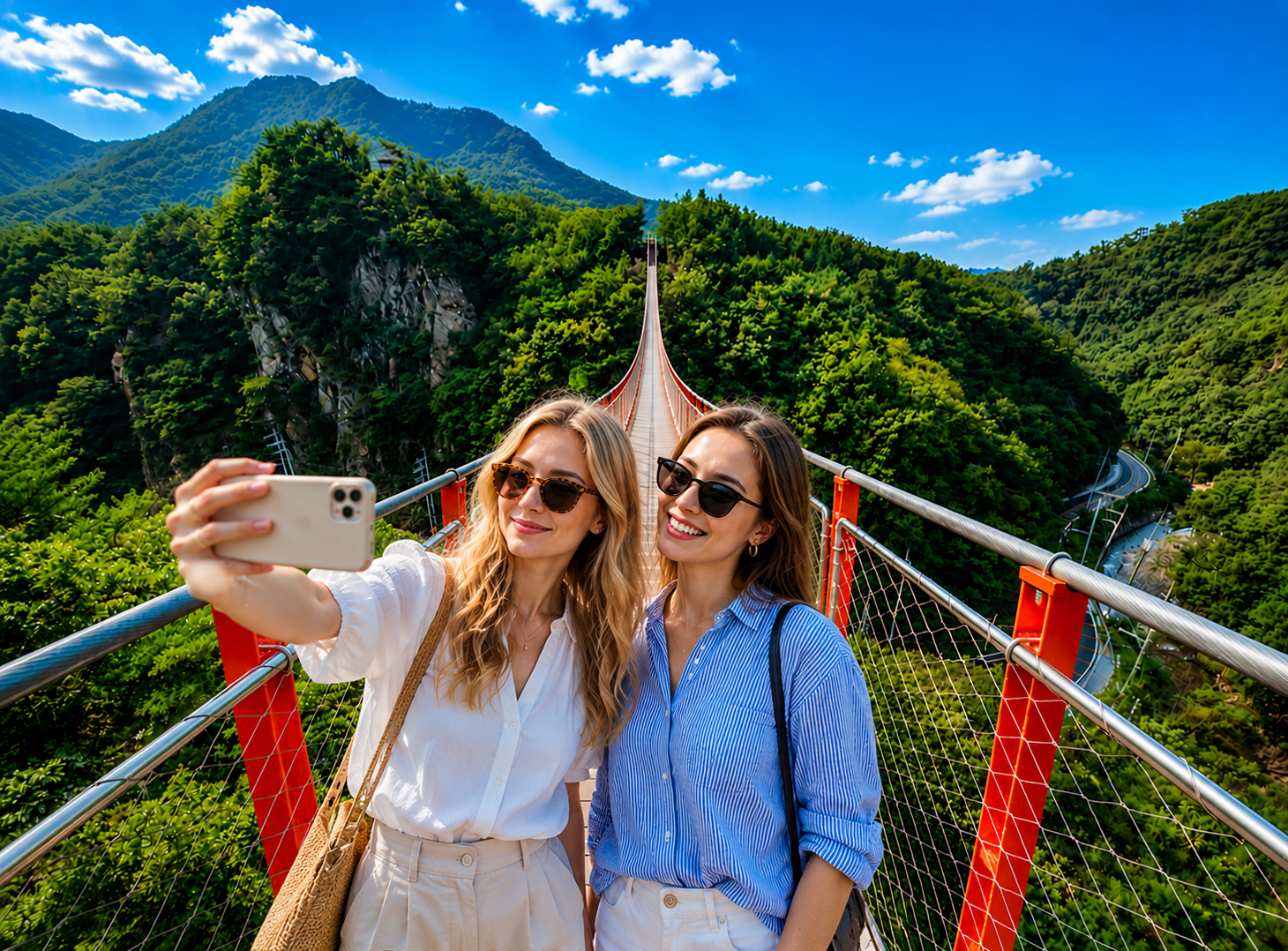
Book the DMZ Tour That Reaches the Observatory
The most-reviewed DMZ tour from Seoul by a wide margin — 4.96/5 from 7,984 verified guests, from about $45, with Dora Observatory named in its own itinerary alongside the Third Tunnel, Imjingak Park and the suspension bridge. Free cancellation.
Check Availability & Book